
Ethical & Responsible Gold Jewelry: What Buyers Should Look For
Monday, December 29, 2025
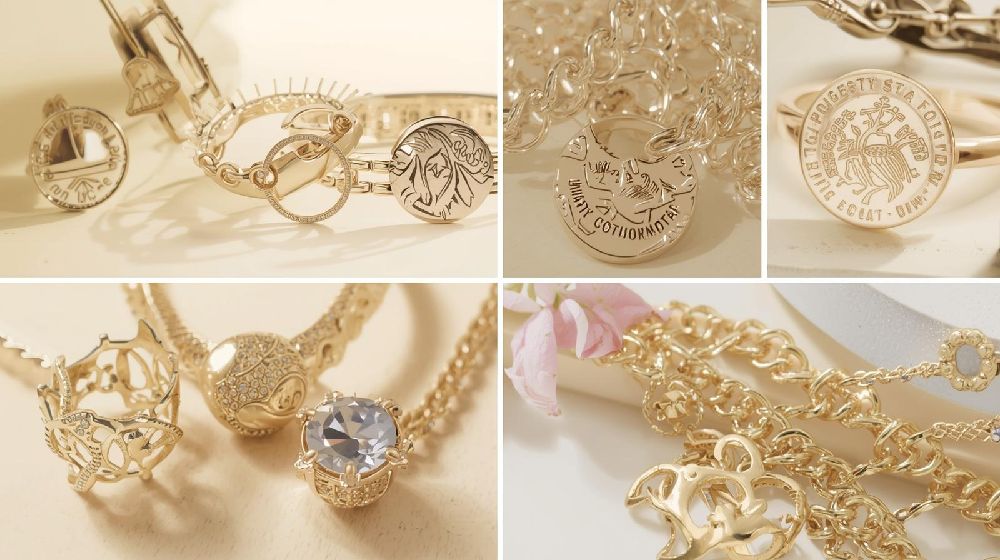
As consumers become more conscious of how products are made, ethical and responsible gold jewelry is no longer a niche concept—it is an expectation. Today’s buyers want beauty with integrity, ensuring that the gold they wear respects people, the environment, and future generations. Understanding what truly defines ethical gold jewelry helps buyers make informed, confident choices.
What Does Ethical Gold Jewelry Mean?
Ethical gold jewelry refers to pieces made with responsibly sourced materials, transparent manufacturing practices, fair labor standards, and minimal environmental impact. It goes beyond aesthetics and price, focusing on the entire journey of gold—from extraction or recycling to the final polished piece.
Responsible jewelry brands aim to balance luxury with accountability.
Responsible Gold Sourcing
One of the most important factors buyers should consider is where the gold comes from. Ethical jewelry brands use:
Recycled gold, reducing the need for new mining
Conflict-free gold, sourced from suppliers that avoid funding violence or exploitation
Traceable supply chains, ensuring transparency at every stage
Recycled gold is especially impactful, as it maintains the same purity and value while dramatically lowering environmental damage.
Fair Labor & Safe Working Conditions
Ethical gold jewelry is also about people. Buyers should look for brands that ensure:
Fair wages for artisans and factory workers
Safe and regulated working environments
No child or forced labor
Responsible manufacturers invest in skilled craftsmanship while protecting the dignity and wellbeing of those involved in production.
Hallmarking, Purity & Transparency
Trustworthy brands provide clear information about gold purity and authenticity. Buyers should always check for:
Hallmark certification (such as BIS or internationally recognized standards)
Clear karat markings (14K, 18K, 22K, etc.)
Transparent pricing breakdowns
Hallmarking not only guarantees purity but also reflects accountability and compliance with ethical standards.
Environmentally Conscious Manufacturing
Ethical jewelry brands work to reduce their environmental footprint through:
Energy-efficient manufacturing processes
Minimal water and chemical usage
Recycling of gold dust, filings, and production waste
Modern techniques like precision casting and laser welding help reduce material loss, ensuring that every microgram of gold is responsibly used.
Durability Over Fast Fashion
Responsible gold jewelry is designed to last for decades, not seasons. Buyers should prioritize:
High-quality craftsmanship
Strong alloy composition for durability
Timeless designs over trend-driven disposability
Long-lasting jewelry reduces waste and supports sustainable consumption.
Minimal Packaging & Sustainable Materials
Ethical responsibility extends beyond the jewelry itself. Buyers should look for brands that use:
Recyclable or reusable packaging
Reduced plastic usage
Eco-friendly inks and materials
Thoughtful packaging reflects a brand’s commitment to sustainability at every touchpoint.
Brand Values & Certifications
Ethical brands openly communicate their values. Buyers can look for:
Sustainability statements on brand websites
Third-party certifications or compliance disclosures
Clear policies on sourcing, labor, and environmental practices
Transparency is often the strongest indicator of genuine responsibility.
Why Ethical Gold Matters to Buyers
Choosing ethical gold jewelry means:
Supporting responsible business practices
Reducing environmental harm
Encouraging fair treatment of workers
Investing in meaningful, long-term luxury
Ethical jewelry allows buyers to wear gold with pride, knowing it represents values as well as beauty.
Conclusion: Conscious Luxury Is the Future
Ethical and responsible gold jewelry is redefining luxury. Today’s buyers are not just purchasing gold—they are investing in trust, sustainability, and purpose. By understanding what to look for, consumers can make choices that align with both their style and their values.
In a world where awareness matters, true luxury shines brightest when it is responsibly crafted.
Leave your comment
Follow us


Newsletter