
The Difference Between Bullion Gold and Jewelry Gold
Tuesday, December 30, 2025
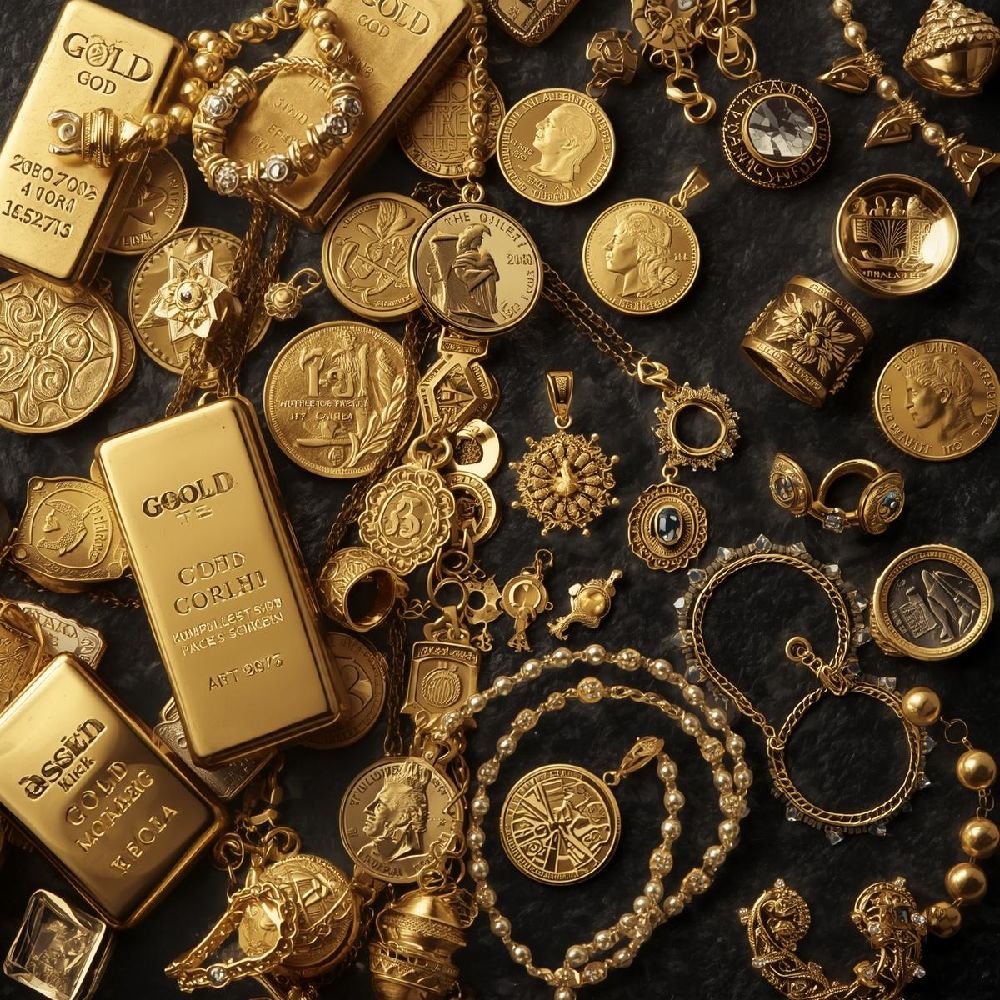
Gold serves multiple purposes—from preserving wealth to expressing personal style. While both bullion gold and jewelry gold are made from the same precious metal, they differ significantly in purity, purpose, and value. Understanding these differences helps buyers make informed decisions whether they are investing or purchasing jewelry.
What Is Bullion Gold?
Bullion gold refers to gold in its purest investment form. It is typically available as gold bars, coins, or ingots and is valued primarily for its gold content rather than appearance.
Key Characteristics of Bullion Gold:
High purity: Usually 24K (99.9% pure gold)
Standardized weight: Comes in fixed weights for easy valuation
Investment-focused: Traded based on global gold prices
Minimal design: No decorative or aesthetic emphasis
Bullion gold is ideal for those looking to preserve wealth, hedge against inflation, or diversify their investment portfolio.
What Is Jewelry Gold?
Jewelry gold is crafted specifically for wearability and design. Because pure gold is too soft for daily use, jewelry gold is alloyed with other metals to increase strength and durability.
Key Characteristics of Jewelry Gold:
Lower purity: Commonly 22K, 18K, or 14K
Enhanced durability: Mixed with alloys like copper or silver
Design-focused: Shaped into rings, necklaces, bangles, and bracelets
Emotional and aesthetic value: Often linked to tradition, fashion, and personal milestones
Jewelry gold balances beauty with practicality, making it suitable for everyday and occasion wear.
Key Differences at a Glance
| Aspect | Bullion Gold | Jewelry Gold |
|---|---|---|
| Purpose | Investment | Adornment & wear |
| Purity | 24K (99.9%) | 22K, 18K, 14K |
| Durability | Soft | Stronger due to alloys |
| Pricing | Based on gold rate | Gold rate + making charges |
| Design | Plain | Decorative & artistic |
Value Considerations
Bullion gold’s value depends solely on its weight and market price, making it easy to buy and sell. Jewelry gold, on the other hand, includes additional costs such as craftsmanship, design complexity, and brand value. While jewelry may not offer the same liquidity as bullion, it provides both emotional and functional value.
Which One Should You Choose?
Choose bullion gold if your primary goal is investment and long-term wealth preservation.
Choose jewelry gold if you want a blend of beauty, tradition, and wearable luxury.
Many people opt for a combination of both—investing in bullion while enjoying the elegance of gold jewelry.
Conclusion
Though made from the same precious metal, bullion gold and jewelry gold serve very different purposes. Bullion gold protects wealth, while jewelry gold celebrates craftsmanship and personal expression. Understanding their differences ensures you choose the right form of gold to match your financial goals and lifestyle needs.
Leave your comment
Follow us


Newsletter