
The Role of Alloys in Enhancing Gold Jewelry Strength
Saturday, December 13, 2025
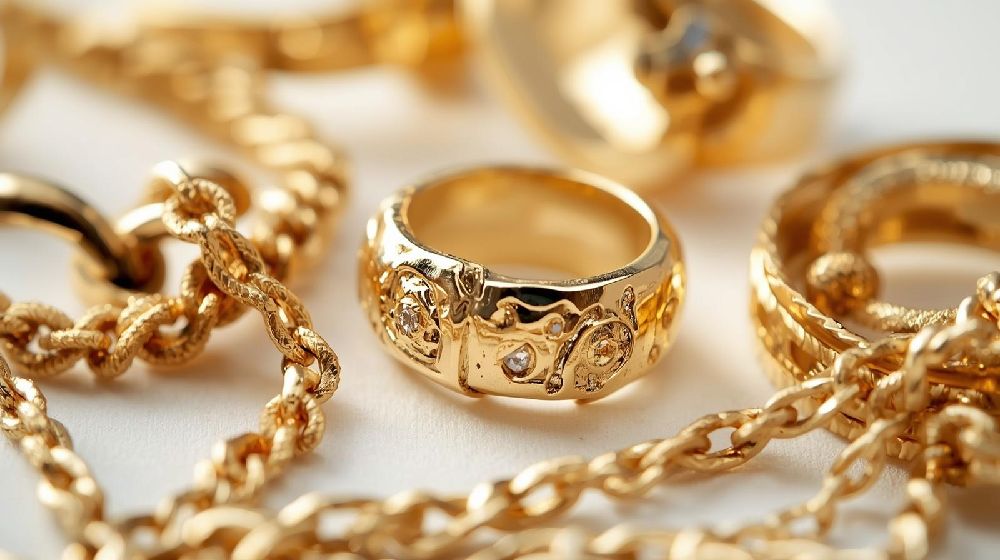
Gold is celebrated for its beauty, luster, and timeless appeal. But anyone who has handled pure 24K gold knows it is soft and malleable, which makes it prone to scratches, bending, or deformation. This is where alloys play a crucial role in jewelry making. By combining gold with other metals, jewelers enhance strength, durability, and versatility without compromising on elegance.
Understanding the role of alloys helps buyers appreciate the science and craftsmanship behind every piece.
1. What Are Alloys?
An alloy is a mixture of gold with other metals, such as:
Copper
Silver
Palladium
Nickel
These metals are added in precise proportions to improve hardness, color, and resistance to wear while maintaining gold’s characteristic shine.
2. How Alloys Enhance Strength
Pure gold is too soft for everyday wear. Alloys improve jewelry in several ways:
Durability: Harder metals reduce bending and scratching
Shape retention: Jewelry holds its design over time
Stone security: Strengthened settings keep gemstones safe
Wear resistance: Ideal for rings, bracelets, and bangles that face frequent contact
By adjusting alloy composition, jewelers can balance softness and strength, creating pieces suitable for daily wear or intricate designs.
3. Common Gold Alloys and Their Benefits
a. Yellow Gold Alloys
Mixed with copper and silver
Retains warm, classic gold color
Stronger than pure gold while maintaining traditional appeal
b. White Gold Alloys
Mixed with palladium, nickel, or silver
Provides silvery-white sheen
Often rhodium-plated for extra shine and scratch resistance
c. Rose Gold Alloys
Higher copper content gives pinkish hue
Copper increases hardness
Romantic and durable choice for rings and bracelets
4. Alloys and Karat Levels
The karat of gold indicates its purity:
24K: Pure gold, soft, rarely used alone
22K: Stronger with minor alloy addition
18K: Balanced strength and luxury appearance
14K & 12K: More alloys, highly durable, ideal for everyday jewelry
Higher alloy content increases strength but slightly reduces gold purity, allowing jewelers to craft durable, wearable pieces without sacrificing beauty.
5. Benefits for Customers
Alloyed gold jewelry offers:
Everyday durability: Resistant to scratches and deformation
Variety of colors: Yellow, white, and rose gold options
Secure gemstones: Settings remain firm over time
Investment longevity: Pieces retain shape, shine, and value
This makes alloyed gold perfect for rings, bangles, necklaces, and intricate designs that need both elegance and resilience.
6. Caring for Alloyed Gold Jewelry
Clean regularly with mild soap and water
Avoid exposure to harsh chemicals that may react with certain alloys
Store separately to prevent scratching and maintain shine
Even with alloys, proper care ensures long-lasting beauty and durability.
Conclusion
Alloys are the unsung heroes of gold jewelry, providing the strength and resilience that pure gold alone cannot offer. They allow jewelers to create durable, wearable, and beautiful pieces suitable for every occasion, while offering customers confidence in the longevity and quality of their investment.
Next time you wear a gold ring, bracelet, or necklace, remember: it’s the careful combination of metals that gives it strength, beauty, and timeless elegance.
Leave your comment
Follow us


Newsletter